order by 5pm for same-day delivery within Klang Valley and Selangor!

Share this post:
Some cakes look beautiful on the table, then land a little too heavily after the first bite. If you have ever cut into a birthday cake and wished it tasted lighter, cleaner, and less sugary, you are not alone. One of the most common questions from families and gift buyers is which cake is less sweet, especially when you are ordering for a mixed crowd with kids, parents, and guests who all have different preferences.
The honest answer is that sweetness is not only about how much sugar goes into a cake. It also comes down to texture, frosting style, fillings, and flavor balance. A cake with fresh cream can taste gentler than one covered in buttercream, even if both contain sugar. A chocolate cake can feel less sweet than vanilla if it has some bitterness from cocoa. Fruity cakes often seem lighter because acidity softens the sugary finish.
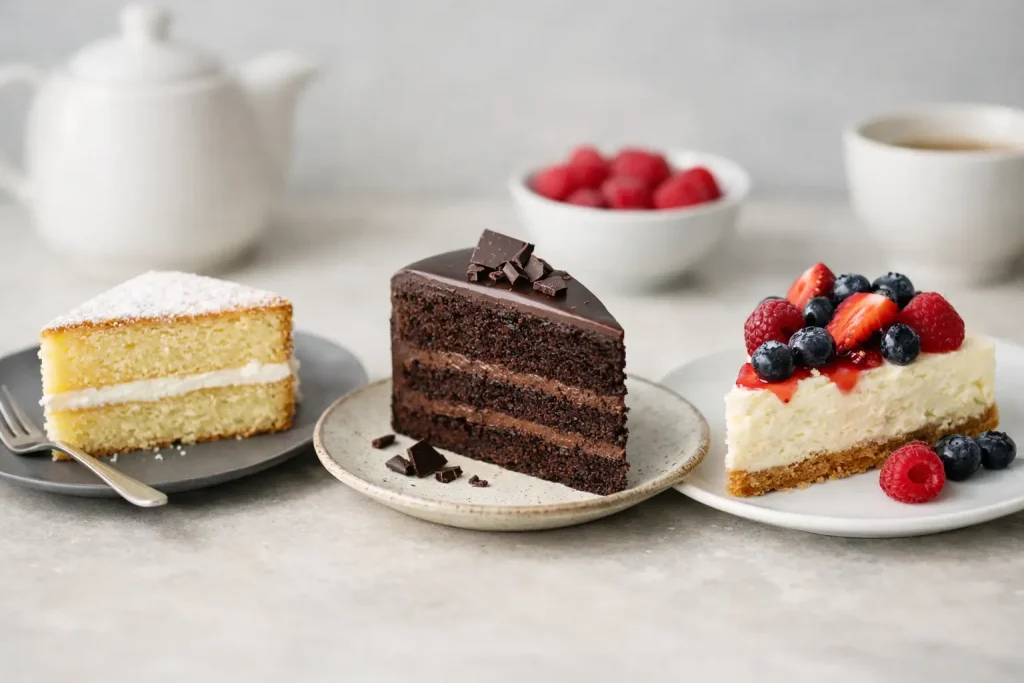
If you want the safest answer for a crowd, cakes with fresh cream, fruit, sponge layers, or cheesecake-style richness usually read as less sweet than heavily frosted celebration cakes. This is why many people who do not enjoy sugary desserts lean toward Japanese-style sponge cakes, light cream cakes, fruit cakes, and baked cheesecakes.
That said, less sweet does not mean less indulgent. A well-made cake can still feel festive, premium, and satisfying without the sugary overload. In fact, for birthdays, family gatherings, and thoughtful gifts, a balanced cake often gets the warmest response because more guests will actually finish their slice.
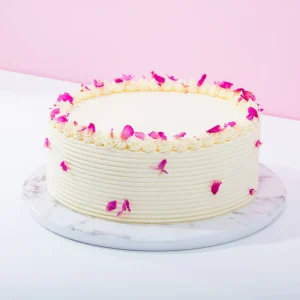
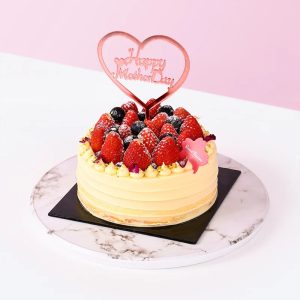
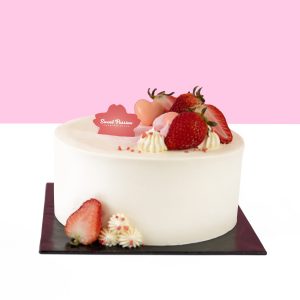
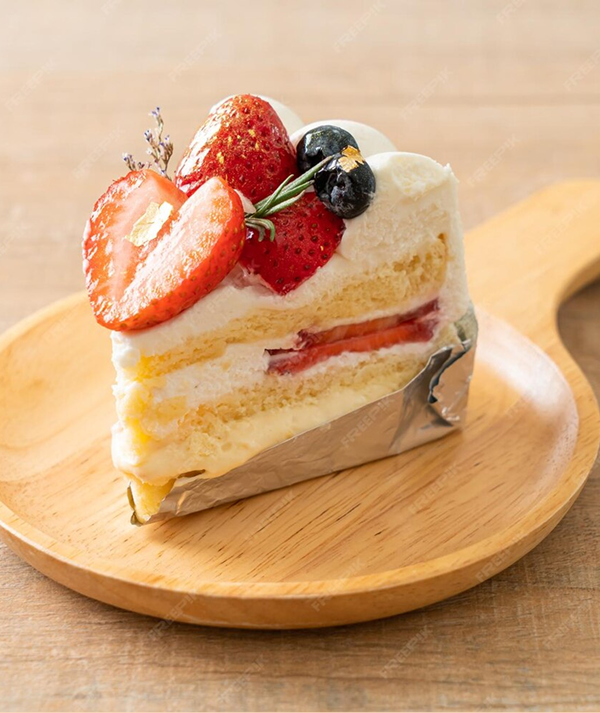
Fresh cream cakes are often the first recommendation for anyone asking which cake is less sweet. The reason is simple. Whipped fresh cream has a lighter mouthfeel than buttercream, so the sweetness does not linger as long. Pair that with soft sponge and fresh fruit, and the whole cake feels airy instead of dense.
This style works especially well for birthdays, office celebrations, and family dinners where guests want dessert after a full meal. It looks elegant, slices neatly, and appeals to a broad age range.
Fruit changes the whole experience of sweetness. Strawberries, blueberries, mango, or citrus can add brightness that keeps the cake from tasting one-note. Even when the cream or sponge is mildly sweetened, fruit gives the palate a fresher finish.
For people who usually say they do not like cake because it is too sweet, fruit-forward cakes are often the best place to start. They feel festive, but not heavy.
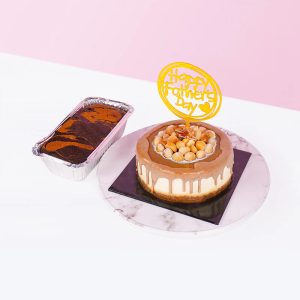
Cheesecake can be rich, but not always very sweet. Baked cheesecake in particular tends to have a tangy, creamy profile that balances sugar well. That slight savory note from cream cheese gives it a more mature flavor, which is why it is such a reliable option for adults, parents, and corporate gifting.
The trade-off is texture. Cheesecake is denser than sponge cake, so while it may taste less sweet, it can feel more filling. For smaller gatherings, that is often a plus. For large parties where guests want a lighter dessert, a cream cake may still be easier to enjoy.
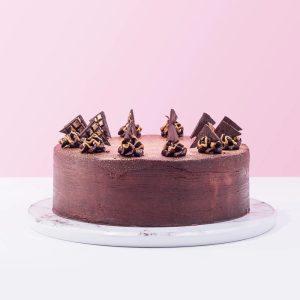
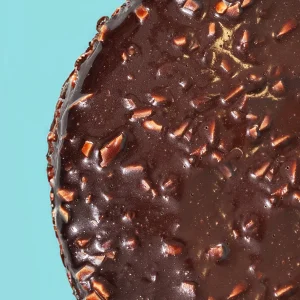
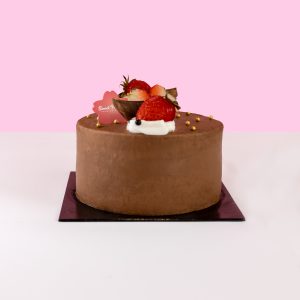
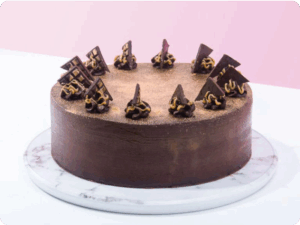
Not all chocolate cakes are less sweet, but darker chocolate styles often are. Cocoa has natural bitterness, which can pull the flavor away from pure sugar. A moist chocolate sponge with restrained frosting can feel far more balanced than a brightly frosted vanilla cake.
This is a good choice when you want something classic but a little more grown-up. It is especially helpful for celebrations with mixed preferences, since chocolate still feels familiar and crowd-pleasing.
For those who enjoy local-inspired flavors, pandan and gula melaka can offer a softer sweetness than standard vanilla-and-frosting cakes. Pandan has a fragrant, almost grassy warmth that makes the cake feel gentle rather than sugary. Gula melaka brings depth and caramel notes, so the sweetness tastes rounder and more complex.
These flavors are ideal when you want something memorable and gift-worthy, but still approachable. They feel special without being overpowering.
If your goal is a lighter dessert, it helps to know what usually pushes a cake into very sweet territory. Buttercream-heavy cakes are a common one. Buttercream is beautiful for decoration and holds shape well for celebration designs, but it can taste richer and sweeter than fresh cream.
Fondant-covered cakes also tend to lean sweet, since fondant itself adds a sugary outer layer. Some mousse cakes can surprise people too, especially if they include sweet glazes, caramel, or multiple creamy fillings. Vanilla cakes are not automatically too sweet, but when paired with thick frosting and syrupy fillings, they can quickly move into dessert-for-sugar-lovers territory.
This does not make them bad choices. For kids’ parties or bold themed celebrations, sweeter cakes can be exactly right. It simply depends on who will be eating them.
When customers ask which cake is less sweet, they are usually asking about the full bite, not just the sugar content. A few details make a big difference.
Frosting matters more than many people realize. Fresh whipped cream tastes lighter than buttercream. Cream cheese frosting has a tangy edge that softens sweetness. Even a thin layer of frosting can change the cake more than the sponge itself.
Texture matters too. Airy sponge cakes feel gentler because they do not coat the mouth as heavily. Dense cakes can seem sweeter if the richness builds quickly, although exceptions like cheesecake prove that tanginess can counterbalance density.
Flavor balance is another big factor. Bitterness from cocoa, acidity from fruit, saltiness from cheese, and aromatic notes from pandan or coffee all create complexity. That complexity is what makes a cake taste refined instead of simply sugary.
For birthdays with a mixed-age crowd, a fresh cream fruit cake is usually the safest and most elegant choice. It looks celebratory, tastes light, and suits guests who want just a modest slice after dinner.
For parents, in-laws, or older relatives, cheesecake and pandan-based cakes are often appreciated because they feel more balanced and less sugary. They also come across as thoughtful rather than generic.
For office celebrations, dark chocolate or fruit cream cakes tend to work well because they appeal to many people and avoid the too-sweet reaction that often happens with standard party cakes. In a workplace, where not everyone has a major sweet tooth, balance matters.
For gifting, the best less-sweet cake is usually one that feels premium and polished without being overly rich. A beautifully finished cream cake, a refined cheesecake, or a local-inspired flavor with measured sweetness often makes the best impression.
Photos can only tell you so much. When ordering a cake for delivery, the flavor description is where the real clues are. Look for words like fresh cream, sponge, fruit, cream cheese, baked cheesecake, dark chocolate, pandan, or lightly sweetened. Be a little more cautious with descriptions that focus heavily on buttercream, caramel drizzle, fondant, or extra frosting.
It also helps to think about the timing of the celebration. If the cake will be served after a large meal, guests often prefer something lighter and less sweet. If it is the main treat for an afternoon party with coffee or tea, a richer cake may still work beautifully.
At Sweet Passion, this is exactly why balanced flavors matter so much. A cake should still feel joyful and occasion-worthy, but it should also invite that second bite instead of stopping everyone after one forkful.
If you want the shortest answer to which cake is less sweet, start with fresh cream fruit cake, baked cheesecake, or a darker chocolate cake with restrained frosting. Those styles are consistently easier on the palate and more widely loved by guests who prefer balanced desserts.
Still, the best cake is not the one with the least sugar on paper. It is the one that suits the moment, the guests, and the kind of celebration you want to create. A lighter cake can feel every bit as luxurious as a rich one when the flavors are clean, the texture is beautiful, and each slice leaves people smiling instead of overwhelmed.
When you are choosing for people you care about, a less-sweet cake often says something lovely without trying too hard. It feels thoughtful, generous, and easy to enjoy together.

Same Day Cake Delivery On
Orders Before 5PM (Mon-Sat)

Choose Your Preferred
Delivery Slot

Finest Selection
Of Cakes

our cakes are
100% halal certified


Be the first to know about new flavors, exclusive offers, and more.