order by 5pm for same-day delivery within Klang Valley and Selangor!


Share this post:
A glossy flourless chocolate cake can feel like the perfect answer when someone at the party avoids gluten. But does flourless cake contain gluten? Sometimes it does, and sometimes it does not. “Flourless” describes what a recipe leaves out, not necessarily how the cake was made, stored, or served. For a guest with celiac disease, that difference matters far more than a beautiful chocolate finish or a celebratory cake topper.
The reassuring news is that many flourless cakes are naturally made without wheat flour. The less reassuring truth is that flourless is not automatically the same as gluten-free. A little label-reading and a quick conversation with the bakery can help you choose a dessert that lets every guest enjoy the celebration with confidence.
A traditional flourless cake often contains eggs, chocolate, butter, sugar, cocoa powder, and sometimes ground almonds or other nut meals instead of regular flour. When every ingredient is gluten-free and the cake is prepared carefully, it may be suitable for a gluten-free diet.
Still, the name alone is not a guarantee. Gluten can enter a flourless cake through an ingredient you would not immediately expect, such as malt flavoring, cookie crumbs, a flavored chocolate, or a topping. It can also arrive through cross-contact in a kitchen that regularly handles wheat flour. A flourless cake may have no flour in its batter while still not meeting the standards a person with celiac disease needs.
That is why the best question is not only, “Is this cake flourless?” Ask, “Is this cake made with gluten-free ingredients, and how do you prevent cross-contact?” The answer should be clear, specific, and easy to understand.
Flourless means the recipe does not use flour, usually wheat flour. Gluten-free means the finished food is made without gluten-containing grains and managed to avoid gluten contamination. Those are related descriptions, but they are not interchangeable.
Think of it this way: a chef may create a wonderfully rich flourless chocolate cake using no flour at all. If that cake is baked in a pan dusted with regular flour, sliced with a knife used for a brownie, or displayed beside crumbling cookies, it is no longer a safe choice for someone who must strictly avoid gluten.
For people who simply prefer to reduce wheat in their diet, a flourless cake may be a satisfying option. Its dense, fudge-like texture and deep cocoa flavor are often a treat in their own right. For people with celiac disease, a wheat allergy, or a medically diagnosed gluten sensitivity, the preparation details deserve extra care.
Chocolate is usually a dependable starting point, but not every chocolate product is identical. Added inclusions, flavorings, and manufacturing practices can change the picture. Cocoa powder, powdered sugar, vanilla, butter, and eggs are commonly gluten-free, yet packaged products should still be checked when a strict gluten-free diet is involved.
Watch especially for malt, malt extract, barley-based flavorings, cookie pieces, wafer layers, and cereal toppings. A chocolate ganache may be gluten-free while the decorative crunch on top is not. Likewise, a flourless cake can be paired with a sauce, whipped topping, or ice cream that changes the final dessert.
Ground almonds, hazelnuts, and other nut meals are common in flourless baking. They do not contain gluten, but they introduce a separate allergen concern. If your celebration includes guests with both gluten and nut restrictions, it is worth choosing a dessert only after confirming every ingredient and production practice.
Cross-contact happens when gluten-free food touches gluten through shared surfaces, utensils, equipment, or hands. In a busy bakery, flour can travel easily. It may settle on worktables, cling to a mixer attachment, or transfer from a shared spatula.
This is not about blaming a bakery for offering a wide variety of cakes. Freshly baked birthday cakes, cookies, cupcakes, and pastries are part of what makes a dessert counter feel joyful and abundant. It simply means that guests with celiac disease need a product prepared with intentional safeguards, not assumptions.
A bakery that can confidently describe separate tools, dedicated storage, cleaned work areas, and ingredient checks is giving you useful information. If the team cannot guarantee an item is free from cross-contact, treat that answer seriously. It may still be a delicious flourless cake for many guests, but it may not be the right cake for a medically necessary gluten-free order.
Start with the guest, not the cake. Ask whether they are avoiding gluten by preference or need to avoid it for medical reasons. This small question helps you order thoughtfully without making anyone explain more than they wish to share.
For a strict gluten-free need, look for a cake specifically identified as gluten-free, rather than relying on the word flourless. Then confirm that the frosting, filling, decorations, and any message plaque are also gluten-free. A personalized cake is a lovely gesture, but an edible decoration made with a gluten-containing ingredient can complicate an otherwise suitable dessert.
When ordering online or by phone, share the need clearly: “This cake is for a guest with celiac disease. Can you confirm the ingredients and cross-contact precautions?” Avoid vague requests such as “no flour, please,” because they leave too much room for misunderstanding.
It also helps to plan the serving moment. Keep the cake in its original box or covered container until it is time to cut it. Use a clean knife and cake server, and set aside a first slice before cutting desserts that contain gluten. At a large birthday party, this simple bit of care protects the guest’s portion from crumbs and makes them feel genuinely included.
A short conversation can save a lot of last-minute uncertainty. Ask whether the cake contains any wheat, barley, rye, malt, or gluten-containing add-ins. Ask whether it is made in a shared kitchen and what controls are used to reduce cross-contact. Finally, ask about the full presentation – fillings, sauces, toppings, candles, edible images, and decorations.
If the answers are incomplete, choose another dessert or offer a separate certified gluten-free treat for the guest. There is no need to turn a celebration into a stressful investigation. The goal is simply to make sure the person you care about has something delicious they can enjoy without worry.
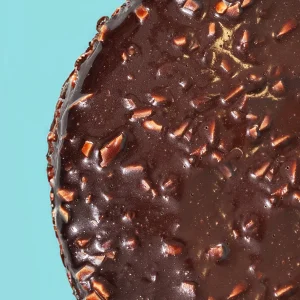
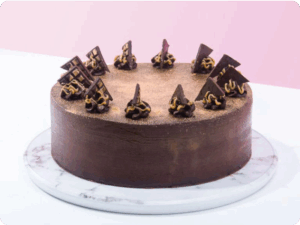
Choosing carefully does not mean settling for a plain dessert. A well-made flourless chocolate cake brings its own kind of occasion-worthy drama: a gently crackled top, a tender center, a dusting of cocoa, and a flavor that lingers like a good celebration should. Pair it with fresh berries, a fruit compote, or lightly sweetened cream after confirming each accompaniment suits your guest’s dietary needs.
At Sweet Passion, the most thoughtful cake order is one that considers both the flavor your guest loves and the details that help them feel cared for. Before the candles are lit, take one extra moment to verify the cake. That small act of hospitality can make every bite feel like a true part of the celebration.

Same Day Cake Delivery On
Orders Before 5PM (Mon-Sat)

Choose Your Preferred
Delivery Slot

Finest Selection
Of Cakes

our cakes are
100% halal certified


Be the first to know about new flavors, exclusive offers, and more.