order by 5pm for same-day delivery within Klang Valley and Selangor!

Share this post:
The prettiest dessert tables are not the ones with the most sweets. They are the ones where every treat has a purpose: a centerpiece cake for the photo, easy-to-share bites for guests, and flavors that make people come back for one more. Learning how to plan a dessert table begins with designing for the moment you are celebrating, not simply filling every open inch of the table.
Whether you are hosting a birthday brunch, a baby shower, a graduation party, or a holiday gathering, a thoughtful dessert table makes guests feel welcomed. With a little planning, it can look generous and polished without creating unnecessary leftovers or last-minute stress.
Start with three simple details: your guest count, the time of day, and the role dessert will play. A table served after a full dinner needs fewer items than one that anchors an afternoon party. At a kids’ birthday party, individually portioned cupcakes and cookies are often more practical than delicate pastries. For an elegant engagement party, a showstopping cake with refined bite-size desserts may suit the mood better.
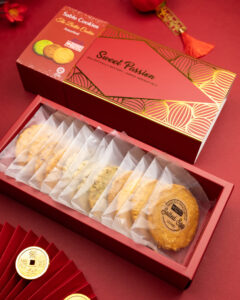
Think about the feeling you want guests to take away. A bright, playful spread could feature colorful cupcakes, frosted cookies, and a cheerful cream cake. A more intimate celebration may call for a rich chocolate cake, cheesecake slices, buttery tarts, and beautifully wrapped cookies guests can take home.
Choose a simple color direction before selecting desserts. Two main colors plus one accent usually look more intentional than a table filled with every color at once. Let your linens, cake decorations, plates, and signs support that palette. The desserts should remain the stars.
Portion planning is what keeps a dessert table abundant rather than excessive. For a party where dessert follows a meal, plan for about two to three small servings per guest, plus the cake. If the dessert table is the main food feature at a shower, tea, or open-house event, plan closer to four small servings per guest.
A practical mix is one slice or portion of centerpiece cake for most guests, then two complementary small treats per person. Not every guest will try every item, and that is perfectly fine. Variety encourages sampling, while too many similar choices can leave you with full boxes at the end of the night.
Children may prefer familiar flavors and smaller portions. Adults often enjoy a mix of comforting classics and something a little unexpected, such as pandan, gula melaka, citrus, coffee, or a less-sweet cheesecake. If your guest list includes a range of ages, build the table around crowd-pleasers first, then add one or two distinctive flavors as conversation starters.
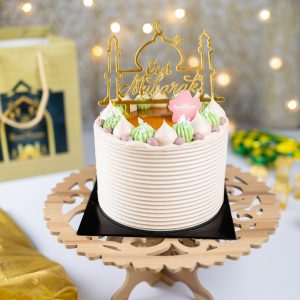
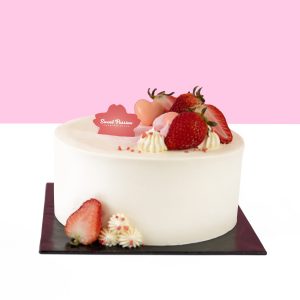
The centerpiece cake gives the table a focal point and helps you plan everything around it. Choose the cake first, considering its size, finish, flavor, and message. A tall cake adds drama to a wide table, while a low, broad cake can work beautifully with raised stands and clustered desserts around it.
If you are serving cake to every guest, make sure it provides enough servings for your expected attendance. If you want a smaller display cake, supplement it with cupcakes, cake slices, or additional desserts prepared for serving behind the table. This is especially helpful for larger celebrations where a single ornate cake may not be practical to cut quickly.
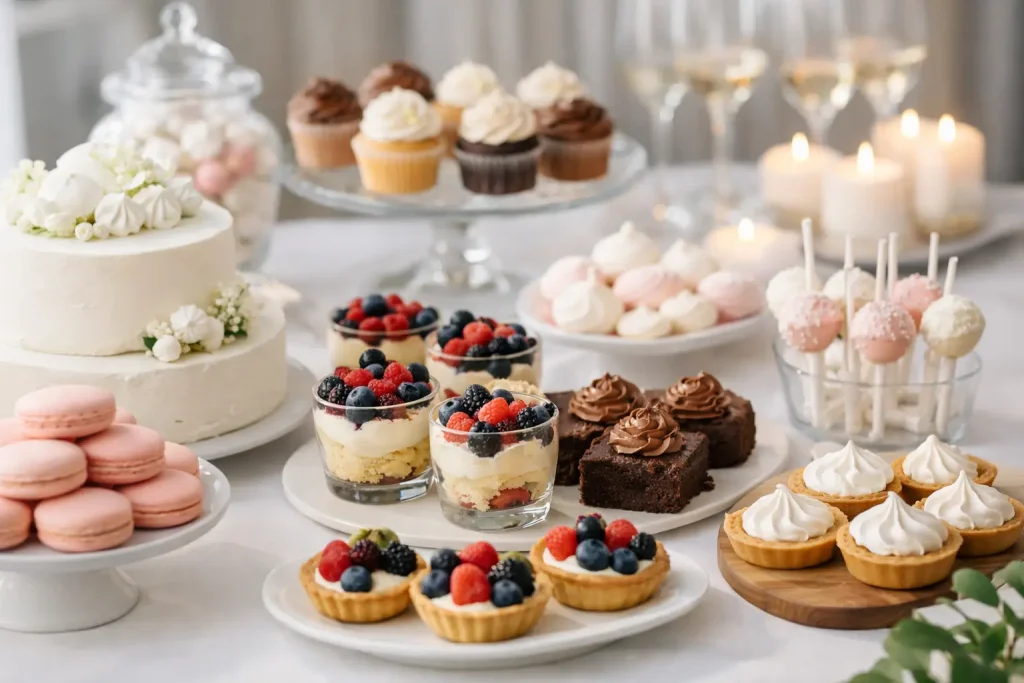
A memorable dessert table has contrast in texture, size, and flavor. A soft cream cake pairs beautifully with crisp cookies. Dense brownies or chocolate cake feel lighter beside fruit tarts. Cheesecake brings a smooth, rich note that works well with airy cupcakes or delicate rolls.
Aim for three to five dessert types, including the cake. More than that can feel busy unless you are hosting a large event. Instead of ordering several versions of the same item, create a balanced spread with different experiences: creamy, chocolatey, fruity, buttery, and light.
For example, a birthday table could include a chocolate cake, vanilla cupcakes, fruit tarts, chocolate chip cookies, and cheesecake bites. A festive family gathering might lean into familiar flavors with a pandan cake, gula melaka cupcakes, butter cookies, and a bright citrus tart. The menu should feel connected, but it does not need to match perfectly.
Dietary needs deserve attention early, especially when food is central to the celebration. Ask guests in advance about allergies or preferences when possible. A flourless or vegan option can make someone feel genuinely considered, but it should be clearly labeled and placed separately from desserts that contain common allergens. If cross-contact is a serious concern, speak directly with your bakery before ordering.
A flat row of dessert boxes may be delicious, but it rarely feels like a celebration. Create height with cake stands, sturdy risers, pedestal plates, or clean stacked boxes hidden beneath a tablecloth. Place the centerpiece cake at the highest point or slightly off-center, then arrange smaller desserts at different levels around it.
Keep the front edge easy for guests to reach. Put cookies, cupcakes, and individually wrapped treats where people can serve themselves without disrupting the display. More delicate items, such as tarts or cheesecake portions, are often best placed toward the center with serving utensils nearby.
A few details go a long way: cake toppers, fresh flowers that are food-safe and pesticide-free, small flavor cards, napkins, and coordinated plates. Avoid crowding the table with too many decorations. If guests have to move through a forest of props to reach a cookie, the styling has gone too far.
Labels are useful, not fussy. They help guests spot flavors, identify vegan or flourless options, and make the table feel considered. Keep the wording short: Chocolate Fudge Cupcake, Strawberry Cheesecake, Pandan Cake, or Vegan Lemon Tart.
For a larger event, add a small sign near the centerpiece cake with the occasion and date. It turns the table into part of the celebration backdrop, especially for photos, without needing a complicated theme.
Fresh desserts look their best when they are not sitting out for hours. Confirm delivery or pickup timing so cakes and chilled treats arrive as close to setup as possible. Keep cream-based desserts, cheesecake, and items with fresh fruit refrigerated until shortly before guests arrive, particularly during warm weather.
Set out serving tools before the desserts arrive: a cake knife, server, tongs, small plates, forks, napkins, and a discreet bin for wrappers or used plates. This small step protects the display from the scramble that often happens once the first guests walk in.
If the party lasts several hours, do not put every chilled dessert out at once. Reserve a portion in the refrigerator and refresh the display halfway through. Your table will continue to look full, and the desserts will stay fresher. For outdoor events, shade matters as much as presentation. Buttercream, whipped cream, and chocolate can change quickly in direct sun.
Even with smart portion planning, a few treats may remain. Have small boxes or bags ready for guests to take a cookie, cupcake, or slice home. It is a warm final gesture and keeps good desserts from being forgotten after the party.
The best dessert tables feel generous because they are planned with care, not because they are overloaded. Choose flavors your guests will love, let one beautiful cake lead the scene, and leave enough room for everyone to gather around it. That is where the sweetest celebration memories begin.

Same Day Cake Delivery On
Orders Before 5PM (Mon-Sat)

Choose Your Preferred
Delivery Slot

Finest Selection
Of Cakes

our cakes are
100% halal certified


Be the first to know about new flavors, exclusive offers, and more.