order by 5pm for same-day delivery within Klang Valley and Selangor!


Cupcakes

Pound Cakes

Cookies

Rolls

Tarts
Seasonal Cakes
Best Sellers
Our Signatures
Same day delivery
Special Occasion
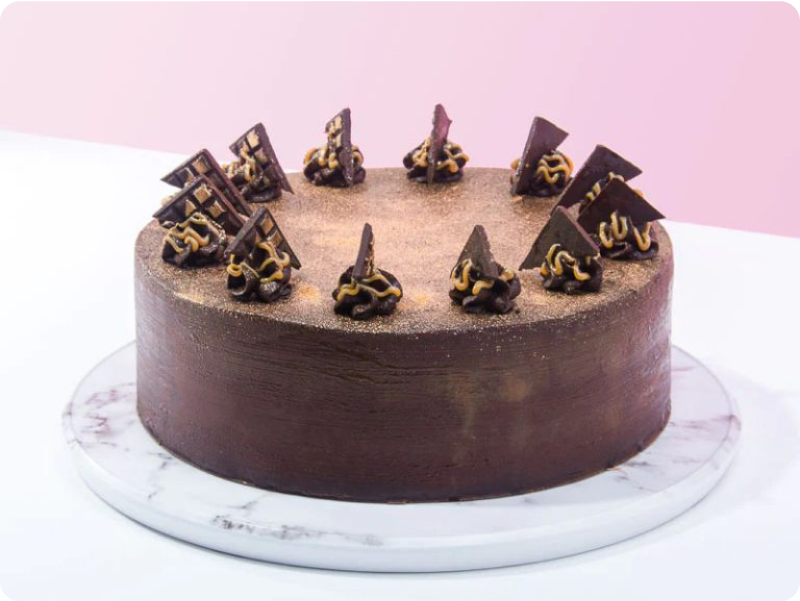
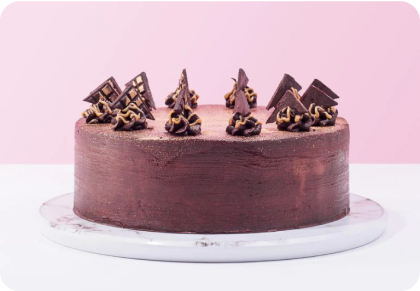
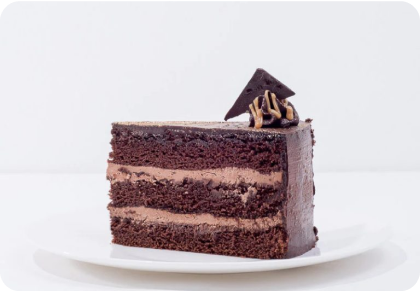

Everyone Asking: ‘Where’s This From?’
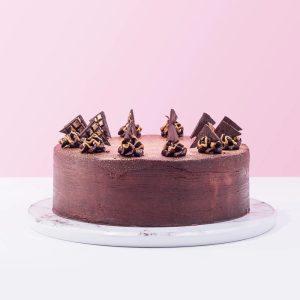
I ordered the GULA MELAKA CHOCOLATE FUDGE CAKE for my son’s birthday party. They made it on time and the cake was moist, elegant and sweet. Everyone who ate it was very pleased and asked me which cake shop it was from.
Not only was the cake delicious, but the hospitality was excellent and I will definitely order again soon!

Google Review
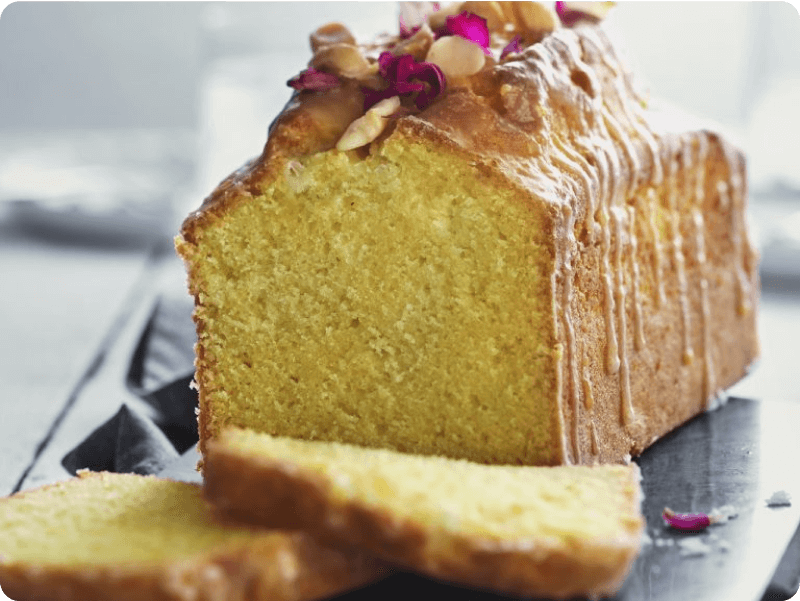

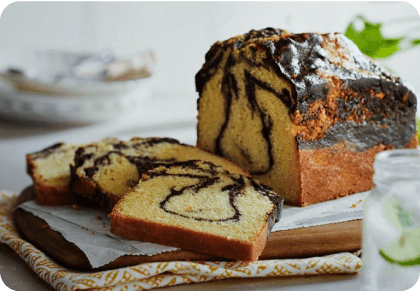
5 Star Taste, Presentation, & Service
My SIL sent me the lemon cake & ginger bread from Sweet Passion for Christmas.
Packaging & presentation: ☆☆☆☆☆
Taste ☆☆☆☆☆ (less sugar)
Service ☆☆☆☆☆ (they also give a stainless steel cake knife ?)
Google Review
Hot Weather Cakes That Stay Celebration-Ready
A cake can look picture-perfect when it leaves the bakery, then meet a warm car, a sunny table, or a crowded outdoor party and quickly lose its composure. The best hot weather cakes are chosen with the whole celebration in mind: how long they will travel, where they will be served, and whether guests will be enjoying them in air-conditioning or under the afternoon sun.
That does not mean summer celebrations need to settle for plain desserts. It simply means choosing flavors, fillings, and finishes that are made to stay lovely when temperatures rise. With a little planning, your birthday cake, family gathering dessert, or thoughtful surprise can arrive fresh, stand tall, and taste every bit as special as the moment deserves.
Heat affects more than frosting. It softens butter, loosens whipped cream, and makes delicate fillings less stable. Humidity adds another challenge, especially for chilled cakes: condensation can form when a cold cake is brought into warm air, leaving a glossy finish damp or causing decorations to slide.
The cake itself matters too. Light sponge layers can become fragile when they are warm, while denser pound cakes and chocolate cakes tend to hold their shape more confidently. A tall cake with soft cream between every layer may be beautiful, but it needs a shorter journey and a cooler setting than a simply finished butter cake.
This is why the right choice depends on the occasion. A cake served within minutes of delivery can be more delicate. A cake traveling to a park, office pantry, or outdoor lunch should have a little more structure built in.
Before falling for a flavor, think about the cake’s route from box to first slice. A chilled dining room gives you far more freedom than a beachside birthday or an open-air family barbecue.
Air-conditioned celebrations are ideal for cream cakes, cheesecakes, mousse-style desserts, and fruit-topped designs. These cakes bring a cool, elegant finish to a warm day, especially when served shortly after they are set out. Keep the box closed until it is time to display the cake, and reserve a clear, level spot away from windows and heat-producing appliances.
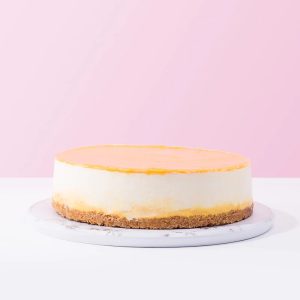
Cheesecake is an especially smart choice for summer gatherings. Its rich, chilled texture feels refreshing, and its firmer body slices neatly when kept cold. A classic chocolate cheesecake, a bright fruit variation, or a less-sweet local-inspired flavor can make a warm-weather celebration feel considered rather than ordinary.
For a cake that may spend more time in transit, choose a design with a stable crumb and a simpler finish. Butter-based cakes, pound cakes, chocolate cakes, and cakes with restrained decoration are often more forgiving than tall whipped-cream creations. They still feel celebratory, but they are less likely to soften before the candles are lit.
A naked or lightly finished cake can also be a practical choice, as long as it is kept shaded. Fewer tall swirls, delicate chocolate sails, and fresh fruit towers mean fewer details that can shift in the heat. There is a trade-off, of course: a more minimal design may not deliver the same dramatic height as an elaborate centerpiece. For a sunny venue, that trade-off is usually worth it.
Children tend to care most about a fun look and a delicious first bite, not intricate sugar work. Cupcakes, cake rolls, cookies, and smaller cakes can be easier to serve than one large, towering dessert. Individual portions also reduce the time a cake sits exposed while everyone gathers for photos.
If you are planning a themed party, select decorations that can handle the room temperature and ask for a design that is suitable for the setting. A bright, cheerful cake can still feel magical without relying on soft cream details that need constant chilling.
Not all frostings respond to warm weather in the same way. Whipped cream offers a soft, cloud-like finish and pairs beautifully with fruit, but it needs refrigeration and should not linger in heat. Cream cheese frosting has a pleasant tang, yet it also needs careful chilling. Mousse and custard fillings are luxurious choices for an indoor celebration where the cake can remain cold until serving.
Buttercream typically has more staying power, particularly when used in a smooth, uncomplicated finish. It can still soften in a hot environment, so it is not heatproof, but it generally holds its shape better than fresh cream. Chocolate ganache can also provide a polished look, although very warm conditions may make it glossy and soft.
For outdoor events, avoid treating any frosted cake as if it can sit outside indefinitely. Even the most stable-looking cake deserves shade and a prompt return to a cool space after the photos. A dessert table is not a display case when the weather is blazing.
The most useful rule is simple: keep the cake chilled until close to serving time, then let the type of cake guide the final step. Cream cakes, cheesecakes, and cakes with perishable fillings should remain refrigerated. If they need a few minutes at room temperature for the best texture, take them out only when the party is ready.
For buttercream or pound cakes, refrigeration can make the crumb firmer and the frosting less silky. If the room is cool, a short rest before slicing can improve the flavor and texture. If the room is warm, do not wait for the cake to fully come to room temperature. A slightly cool cake is far better than one that begins to slump.
Keep the cake in its box whenever possible. The box protects the finish from sunlight, curious fingers, and sudden temperature changes. Never leave it on a car seat, in a trunk, or near a windshield. Place it on a flat surface in a cool vehicle, drive directly to the venue, and make refrigeration the first task when you arrive.
For celebrations with a busy setup schedule, assign one person to be responsible for the cake. That small detail prevents the box from being left in a warm hallway while balloons are tied and tables are arranged.
A fresh cake deserves a plan, especially when the event starts later in the day. When ordering delivery, choose a window that gives you enough time to receive the cake and refrigerate it properly, without having it wait around for hours. Same-day delivery can be wonderfully helpful for a last-minute birthday or a forgotten office celebration, but it works best when someone is ready to accept the order.
At Sweet Passion, celebration planning can begin with the practical questions: What time will guests arrive? Will the venue have a refrigerator? How far does the cake need to travel after delivery? Those answers make it easier to select a cake that is not only beautiful online, but genuinely suited to the day ahead.
If an outdoor event is unavoidable, arrange for the cake to appear near dessert time rather than at the beginning of the party. Bring it out for the candle moment, take the photos, slice, and serve. Guests will remember the joy of the reveal, not the hours it spent hidden safely in the cooler.
Summer-friendly flavor does not have to mean only lemon or berries. Chocolate remains a favorite for a reason, especially in a lighter sponge or a chilled cheesecake. Vanilla, coconut, mango, passion fruit, and pandan can feel bright and refreshing without losing that familiar cake-day comfort.
For guests who enjoy something distinctive, Malaysian-inspired flavors bring a lovely sense of surprise. Pandan offers a fragrant, gently sweet profile, while gula melaka adds deep caramel warmth. Onde-onde-inspired cakes can turn a familiar celebration into a conversation starter, particularly for hosts who want to serve something personal and memorable.
Consider sweetness as carefully as flavor. On a hot day, many guests appreciate a dessert that is balanced rather than overly rich. Fruit-forward fillings, airy sponges, and less-sweet cream options can feel more inviting after a warm meal. For a crowd with varied preferences, pairing a centerpiece cake with a few cupcakes or cookies gives everyone an easy choice.
Before the order is placed, confirm five things: the serving location, the travel time, access to refrigeration, the expected serving time, and whether the cake has cream, mousse, or a delicate topping. These details take only a minute, but they can prevent a disappointing last-minute scramble.
The best warm-weather celebration cake is not necessarily the most elaborate one. It is the one that arrives fresh, looks cared for when the box opens, and gives every guest a reason to pause for one more happy bite.
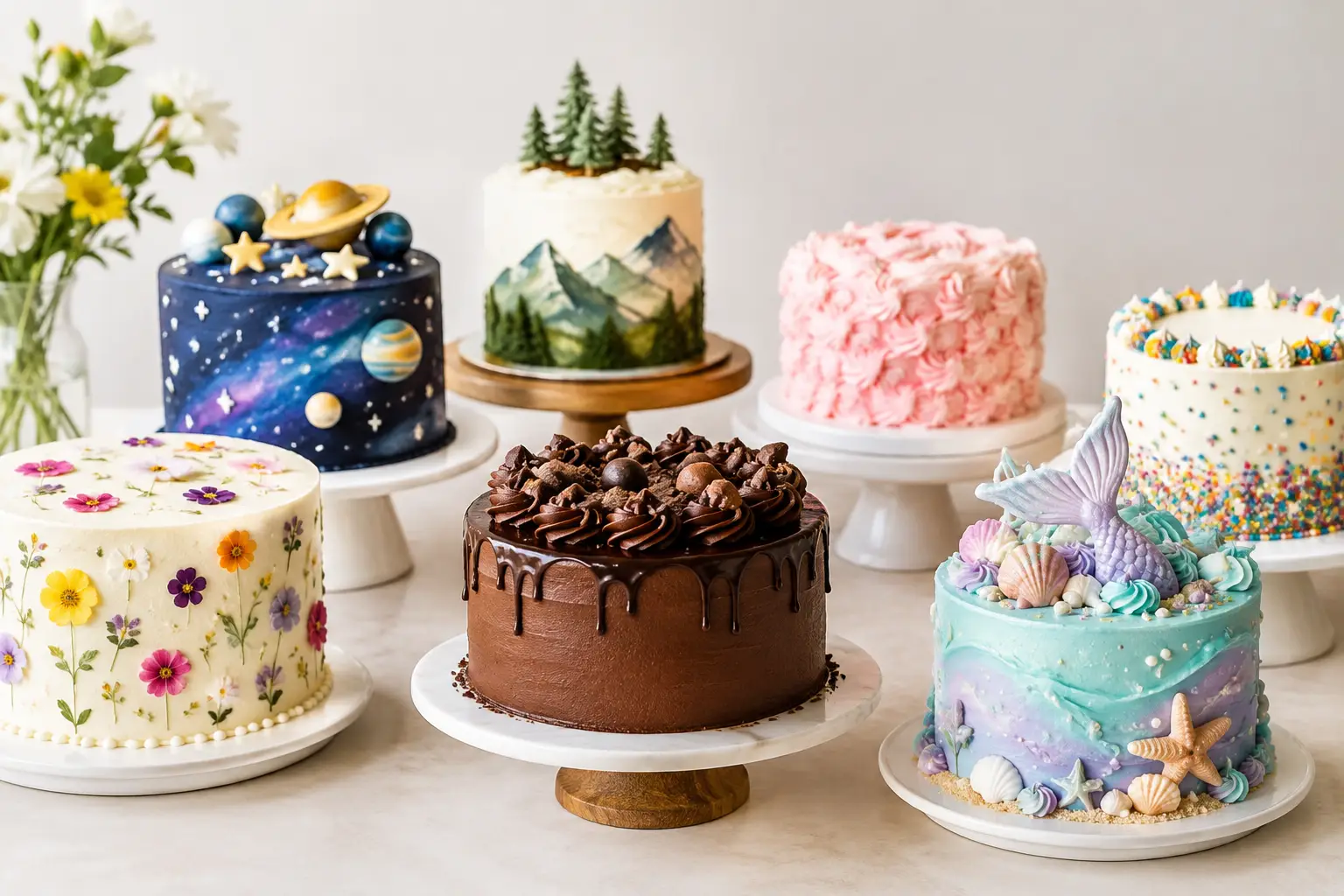
12 Birthday Cake Themes That Feel Personal
A birthday cake does more than signal dessert time. It sets the mood when it arrives, becomes the centerpiece of the photos, and gives the guest of honor a moment that feels entirely theirs. The best birthday cake themes are not always the loudest or most elaborate. They are the ones that connect a person’s favorite colors, hobbies, memories, and flavors in one joyful, delicious design.
For a child, that might mean a cake inspired by their current obsession. For a parent, it could be an elegant floral finish in their favorite shade. For the friend who is impossible to shop for, a familiar local flavor with a beautiful presentation can say more than a generic gift ever could.
A theme works when it feels intentional. Before choosing colors, toppers, or piping styles, think about who is celebrating and how they will celebrate. A cake for a small family dinner can be refined and flavor-forward. A cake for a classroom party needs a design that children recognize at a glance and a size that is easy to share. A milestone birthday may call for something polished enough to anchor the entire table.
Age is useful, but personality is better. Some kids love a bright rainbow cake while others would be thrilled by a dinosaur scene, a space adventure, or a sweet animal design. Teens often prefer themes that feel current without feeling childish, such as pastel hearts, music-inspired details, gaming colors, butterflies, or a minimalist vintage-style cake. Adults may lean toward gardens, travel, coffee, sports, favorite films, or a simply beautiful cake in a meaningful color palette.
A theme does not need a sculpted fondant figure to be clear. A few well-chosen details can do the work: a topper, piped stars, a color combination, edible sprinkles, fresh-looking floral touches, or a message written just for them.
Character cakes remain a favorite for young children because they make the birthday child feel like the party was built around their world. Think friendly animals, fairytale colors, race cars, superheroes, mermaids, dinosaurs, or magical creatures.
Keep the design focused rather than trying to include every favorite character at once. One main idea looks more polished in photos and gives the cake a stronger visual impact. Pair a playful exterior with a crowd-friendly flavor, such as chocolate, vanilla, cookies and cream, or strawberry cream.
A cake based on what someone loves to do can feel wonderfully personal at any age. Soccer, basketball, golf, dance, books, gardening, painting, baking, and travel all offer easy visual directions.
For an adult birthday, a hobby theme can be more subtle. A coffee lover may appreciate a mocha or tiramisu-inspired cake finished in espresso and cream tones. A traveler might enjoy a cake with postcard-style details or shades pulled from a favorite destination. The idea should feel celebratory, not like a costume.
Florals are one of the most flexible birthday cake themes because they can be soft and romantic, bright and playful, or clean and modern. They suit a mother’s birthday brunch, a milestone celebration, a garden gathering, or a thoughtful delivery to someone celebrating quietly at home.
Choose colors that match the mood. Blush, ivory, and soft yellow feel gentle and classic. Bold pink, orange, and purple create a more energetic look. If the celebration is intimate, a simple flower-accented cake with a handwritten message often feels more special than an oversized design.
Vintage piping, cherries, bows, hearts, and cheerful lettering have a charm that works especially well for teens, young adults, and anyone who loves a little nostalgia. Disco-inspired designs can bring in shimmer, stars, and bright colors without making the cake overly complicated.
This theme is ideal when you want the cake to do some of the decorating for you. A well-finished retro cake looks festive on a simple table with candles and a few balloons. Because the look is detail-driven, select a size that leaves enough surface area for the piped borders and message.
Not every birthday needs a heavily decorated cake. A smooth cream finish, a single color, and a playful message can be just as memorable. This approach is especially good for working professionals, last-minute celebrations, or recipients with understated taste.
The secret is to make the flavor feel considered. Rich chocolate, fragrant pandan, tangy cheesecake, or a light fruit-and-cream combination gives a minimal design its own personality. Less decoration creates more room for a truly good slice.
A flavor can be a theme all by itself. For families who appreciate something beyond the usual vanilla or chocolate, Malaysian-inspired flavors create an instant talking point and a familiar sense of comfort. Pandan, gula melaka, and onde-onde-inspired notes can bring warmth and character to a birthday table while still looking polished enough for gifting.
This is a lovely choice for parents, grandparents, colleagues, or anyone who values food memories. A local-inspired cake feels especially thoughtful when the birthday gathering includes relatives of different generations. It invites people to share a slice and a story.
The design catches attention first, but the flavor is what people remember after the candles are out. A great pairing makes the entire celebration feel more complete.
Bright kids’ themes often suit familiar, easy-to-love flavors. Chocolate cake, cookies and cream, and vanilla cream tend to please mixed groups. A floral or garden theme pairs beautifully with lighter flavors such as strawberry, lemon, vanilla, or cheesecake. Coffee, dark chocolate, and caramel notes bring sophistication to adult birthdays, while pandan and gula melaka offer a memorable alternative for people who enjoy less predictable desserts.
Consider the guest list before deciding. If you are serving a large group with varied preferences, a classic flavor is usually the safest choice. If the cake is a gift for one person or a small dinner, choosing their favorite unusual flavor can feel far more meaningful. For guests with dietary needs, vegan or flourless options mean everyone has a chance to enjoy the birthday moment.
A beautiful theme cannot rescue a cake that is too small for the room or arrives after the party starts. Count the guests, then allow for generous slices if the cake is the main dessert. If there will be cupcakes, cookies, or other sweets, a smaller centerpiece cake may be enough.
Timing deserves the same care as the design. For a surprise at an office, home, or restaurant, confirm when someone will be available to receive it and where it can be stored. If you need a cake quickly, choose from designs that can be prepared for same-day delivery rather than planning around a highly detailed custom idea that needs more lead time.
Sweet Passion makes this easier by bringing fresh, celebration-ready cakes and distinctive flavors to the door, so a thoughtful birthday gesture does not have to require a full afternoon of planning. Still, placing an order early gives you the widest choice of flavors, sizes, and finishes.
The most shareable cakes usually have one personal touch: their nickname, a favorite color, an age written with confidence, a small inside joke, or candles arranged for the photo they will remember. You do not need to add everything. One detail with real meaning is better than a crowded cake covered in unrelated decorations.
When you choose a birthday cake theme with the person at its center, the result feels like more than dessert. It becomes a warm welcome, a thoughtful gift, and a sweet reason for everyone to gather a little closer.
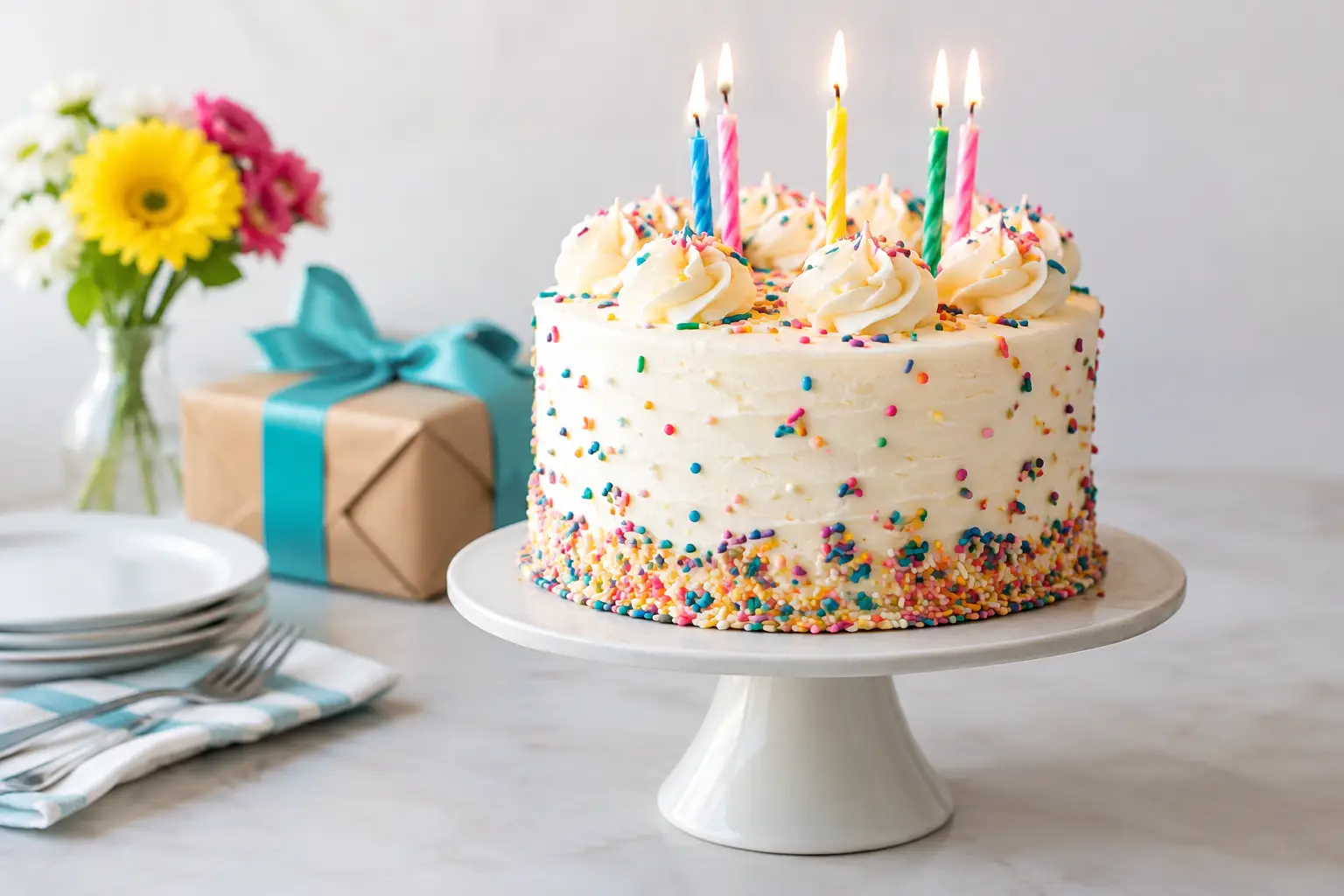
Last Minute Birthday Cake Example That Saves the Day
The birthday is tonight. The group chat has already chosen a dinner time, someone has bought candles, and you have just realized there is no cake. A good last minute birthday cake example is not about pretending you planned weeks ahead. It is about choosing something fresh, beautiful, and personal enough to make the guest of honor feel truly celebrated.
A rushed order can still feel thoughtful when you focus on three things: their favorite flavors, the number of people gathering, and when the cake needs to arrive. Whether you are surprising a coworker at the office, hosting a child’s party at home, or sending a sweet apology to someone you love, the right cake turns a last-minute scramble into a happy moment.
Speed matters, but it should not be the only consideration. A cake with a flavor the birthday person genuinely loves will always feel more meaningful than a generic dessert picked only because it was available. Think rich chocolate for the friend who orders dessert first, a bright fruit cream cake for a parent who prefers something lighter, or a nostalgic vanilla cake for a child who wants sprinkles and a big wish.
Presentation also does a surprising amount of work. A simple round cake with neat finishing, a cheerful message, and candles can look intentional even when ordered on the day. If you have a little flexibility, choose a design that suits the occasion rather than trying to recreate a highly customized cake at the last second. Fresh flowers, chocolate decorations, piped cream, or a playful themed topper can create that celebratory feeling without requiring weeks of lead time.
Finally, be realistic about timing. Same-day delivery is a wonderful option when available, but delivery windows, order cutoffs, and product availability can vary. Ordering early in the day gives you more choices and more breathing room. If delivery is not possible, a quick pickup can be the easiest way to keep the surprise on schedule.
A chocolate cake is the dependable answer when you need to please a mix of ages and tastes. Choose layers of moist chocolate sponge with silky chocolate cream, ganache, or fudge frosting for a dessert that feels generous and festive. It works beautifully for family dinners, office celebrations, and casual parties where you do not know everyone’s dessert preferences.
For a more personal touch, add a short message such as “Happy Birthday, Mia!” rather than a long inscription. Pair it with colorful candles, and the cake becomes the center of the table in minutes. The trade-off is that chocolate is familiar rather than unexpected, so it is best when reliability matters more than novelty.
If the birthday falls during a daytime meal, a fruit and cream cake is a lovely last-minute choice. Fluffy sponge, lightly sweetened cream, and fresh berries or tropical fruit feel refreshing after lunch and photograph beautifully. It is especially well suited to grandparents, parents, and anyone who says they prefer desserts that are not too sweet.
This option is also useful when the celebration includes a full meal. A dense frosted cake may feel like too much after brunch or a restaurant dinner, while a lighter cake still gives everyone a reason to gather for candles. Keep in mind that fresh fruit cakes are best enjoyed promptly, so plan the delivery or pickup close to serving time.
Children remember the colors, candles, and excitement of everyone singing their name. For a last-minute kids’ birthday, choose a cheerful cake in a familiar flavor such as chocolate, vanilla, strawberry, or cookies and cream. A simple color theme can make a ready-to-order cake feel connected to the party, whether it is pink and pastel, bright rainbow, or blue and bold.
You do not need an elaborate character sculpture to make it feel magical. A fun topper, a few matching balloons, and a cake message are often enough. If there are many young guests, consider adding cupcakes or cookies alongside the main cake. They are easier to serve when little hands are eager and the birthday child is already opening presents.
Not every birthday person wants a tall layer cake. A creamy cheesecake is an elegant alternative for someone who prefers a smoother, less sugary dessert. Classic New York-style, chocolate, berry, or caramel flavors can feel polished without being overly formal.
Cheesecake is ideal for a small dinner celebration because it slices neatly and feels a little more grown-up. It can also be a smart choice for coworkers or clients when you want to bring something celebratory but understated. Just confirm that refrigeration is available until serving, particularly if the cake will be delivered to an office or event venue.
A birthday cake can be a gift in itself when the flavor brings back a favorite memory. For someone who loves trying something beyond the usual vanilla and chocolate, consider a cake inspired by pandan, gula melaka, coconut, or onde-onde. These flavors bring fragrant sweetness, caramel depth, and a sense of occasion to the table.
This is a particularly thoughtful choice for a friend or family member who misses familiar flavors from home or enjoys food with a story. The key is knowing your audience. A local-inspired cake may be the most memorable option for an adventurous group, while a classic chocolate cake may be safer for a large gathering with mixed preferences.
A last-minute birthday should not leave anyone watching from the sidelines while others enjoy dessert. If the guest of honor or several guests have dietary preferences, a vegan or flourless cake can make the celebration feel more welcoming. Rich flourless chocolate cakes, in particular, offer a decadent texture that many guests will enjoy regardless of dietary needs.
Before ordering, check the product details carefully for ingredients and allergen information. “Flourless” does not automatically mean suitable for every diet, and vegan desserts may still be produced in kitchens that handle other ingredients. When in doubt, choose a clearly labeled option and let guests know what is being served.
When time is short, start with the serving size. A small cake works for an intimate dinner, while a larger cake is better for an office team or family gathering. It is better to have a few extra slices than to cut portions too thin, especially when people are likely to ask for seconds.
Next, choose the flavor before worrying about every decorative detail. Flavor is what guests remember after the photos are over. If you know the birthday person’s favorite dessert, use that as your guide. If you do not, chocolate, vanilla, and fruit-forward cream cakes are reliable places to start.
Then confirm the practical details: delivery date, delivery window, address, recipient contact number, and any building access instructions. A beautiful cake arriving after the candles have been blown out is still a disappointment. For same-day orders, double-check the cutoff time and keep the recipient reachable if they are accepting the delivery.
Sweet Passion makes this kind of birthday rescue easier with celebration-ready cakes, distinctive flavor choices, and convenient ordering options designed for moments that cannot wait.
A last-minute cake does not need a long list of extras, but a few details create a warmer experience. Add candles before guests arrive, write a short message on a card, and make sure someone has a lighter ready. If you are sending the cake from afar, include the recipient’s favorite snack, flowers, or a handwritten note when possible.
For office birthdays, set out plates and a knife before the cake arrives. For a home gathering, clear a small space for the cake and take a photo before slicing. These tiny preparations take less than five minutes, yet they turn a dessert delivery into a real birthday moment.
The best last-minute birthday cake is not the one with the most complicated design. It is the one that arrives fresh, suits the person you are celebrating, and gives everyone a reason to pause, sing loudly, and share something sweet together.
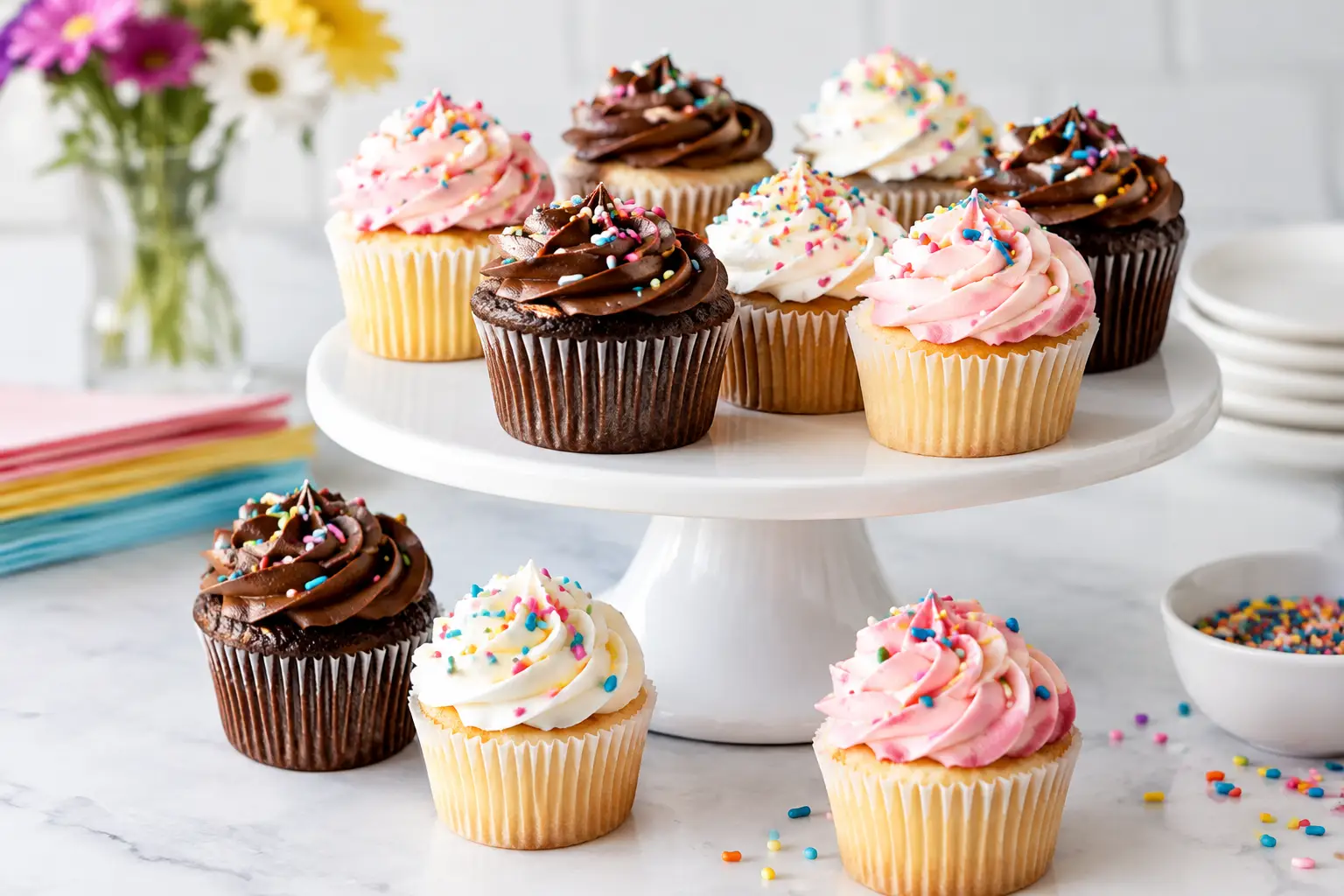
How to Select Party Cupcakes Guests Will Love
A cupcake table can look like the easiest part of party planning, right up until you are choosing between flavors, colors, dietary requests, guest ages, and the question everyone asks too late: “Will there be enough?” Knowing how to select party cupcakes means balancing the practical details with the little touches that make guests feel celebrated.
Cupcakes are personal, festive, and easy to serve without interrupting the flow of the party. Whether you are planning a child’s birthday, a baby shower, an office celebration, or a family gathering, the best choice is not always the fanciest design or the most unusual flavor. It is the assortment your guests will be excited to pick up, admire, and enjoy down to the last crumb.
Before looking at flavors or frosting swirls, think about the kind of celebration you are hosting. A lively kids’ party calls for cheerful colors, familiar flavors, and decorations that are easy to eat. An elegant bridal shower may suit delicate floral details, vanilla bean, lemon, or strawberry cupcakes. For a corporate event, polished designs and a mix of crowd-pleasing flavors usually work better than anything overly messy or complicated.
The party’s timing matters, too. Cupcakes served after a full dinner can be smaller and richer because guests will want just a sweet finish. For an afternoon open house, dessert may be one of the main attractions, so offer more variety and plan for guests to take a second flavor. Outdoor celebrations need extra thought, especially in warm weather. Tall buttercream peaks and delicate chocolate decorations can soften quickly in direct sun.
A simple rule helps: choose cupcakes that match the mood, menu, and setting of the event. The dessert table should feel like part of the celebration, not an afterthought.
Quantity is where a beautiful cupcake plan can become stressful. Start with your confirmed guest list, then consider how the cupcakes will be served.
For a party where cupcakes are the only dessert, plan for one and a half cupcakes per guest. This gives guests a chance to try another flavor and leaves a little breathing room for unexpected attendees. If there will also be a cake, cookies, fruit, or other sweets, one cupcake per guest is usually sufficient.
Children’s parties can be slightly different. Younger children may not finish a standard cupcake, while parents and older siblings may happily enjoy an extra one. Mini cupcakes are an excellent option when you expect a range of appetites. They also let guests sample more than one flavor without committing to a full-sized treat.
When in doubt, order a few extras. Leftover cupcakes are a happy problem, especially when they can be boxed up for family members, coworkers, or a next-day treat. Running out before everyone has had dessert is much harder to fix.
A party cupcake assortment should offer choice without making the decision difficult. For most gatherings, two or three flavors are enough. One should be a familiar favorite, such as chocolate, vanilla, or red velvet. Add a lighter or fruit-forward option, such as lemon or strawberry, then consider one distinctive flavor for guests who enjoy something a little different.
This is where personality can shine. A nostalgic chocolate cupcake with creamy frosting is nearly always the first to disappear. But a celebration can feel more memorable with a flavor inspired by family traditions or favorite foods. Pandan, gula melaka, and coconut-forward combinations bring warmth and surprise to a dessert table, especially for guests who appreciate Southeast Asian flavors.
Be thoughtful about strong flavors. Coffee, matcha, salted caramel, citrus, and spice can be wonderful, but they are best offered alongside a reliable classic. If you only choose adventurous flavors, some guests may feel left out. If every cupcake is plain vanilla, the table can feel less special. The sweet spot is a mix that feels approachable and a little unexpected.
The frosting often makes the first impression, but balance matters more than height. A rich chocolate cupcake can handle a lighter whipped frosting, while a fluffy vanilla cake may be more satisfying with a silky buttercream or fruit filling. For a summer gathering, bright berry or citrus flavors can feel refreshing. During colder months, chocolate, caramel, spice, and toasted nut notes feel more at home.
If your guest list includes people who prefer desserts that are less sweet, choose at least one option with a tangy fruit element, dark chocolate, cream cheese frosting, or a more restrained finish. Premium cupcakes should feel indulgent, not overwhelming.
A thoughtful host does not need to create a separate dessert table for every preference, but it helps to ask early about allergies and dietary needs. Vegan, flourless, nut-free, gluten-conscious, and dairy-free options can make a real difference to a guest who is often unable to join in at dessert time.
Be clear about what each cupcake contains, especially when nuts, alcohol-based flavorings, or common allergens are involved. Small flavor cards beside the display are useful at larger parties. At a smaller gathering, simply let guests know which choices suit their needs.
There is a trade-off here. Specialty cupcakes can require separate preparation and may have a different texture or frosting style than traditional options. That is perfectly fine. Rather than trying to make every cupcake accommodate every diet, order a clearly identified selection that feels just as beautiful and celebratory as the rest.
Cupcakes can carry a party theme beautifully, but they do not need to be covered in decorations to make an impact. A coordinated frosting palette, elegant sprinkles, fondant toppers, or a simple edible message can create a polished look. For a child’s party, playful characters or bright colors may be exactly right. For an adult birthday or milestone, soft pastels, metallic accents, or fresh floral-inspired details often feel more refined.
Try to match the cupcakes to one or two central elements of the event, such as the invitation, balloon colors, flowers, or table linens. Using every color in the room can make the display look busy. A focused color story photographs better and lets the cupcakes feel like a considered part of the decor.
Keep serving in mind, too. Very tall toppers may look charming but can be inconvenient for young children. Loose pearls, large decorations, and non-edible accessories should be avoided or clearly removed before serving. The loveliest cupcake is one guests can enjoy comfortably.
Freshness is not a detail to leave until the day before the party. Cupcakes taste their best when ordered from a bakery that prepares them close to your celebration date and gives clear guidance on storage. If you are arranging delivery, choose a time that allows you to check the order, store it properly, and set it out without rushing.
For warm-weather events, keep cupcakes cool until shortly before serving. If your party is outdoors, place the dessert table in shade and bring out cupcakes in smaller batches rather than displaying every box at once. This protects the frosting and keeps the table looking fresh throughout the event.
Presentation can be simple. Arrange cupcakes on cake stands or tiered trays, with flavors grouped together so guests can choose easily. Add neat labels if there are multiple varieties. A few flowers or party accents around the stands can complete the look, but leave enough space for guests to serve themselves without smudging the frosting.
The best party plans have a little flexibility built in. Order early for detailed designs, holiday weekends, or large events, and confirm your final count as soon as possible. If your schedule is tight, a bakery with dependable same-day delivery can be a welcome lifesaver, but availability and customization may be more limited than with an advance order.
At Sweet Passion, celebration treats are made to feel personal, from familiar favorites to flavor combinations that give guests something memorable to talk about. Choose cupcakes that reflect the people you are celebrating, then give yourself permission to enjoy the party, too. After all, the warmest moments often happen when everyone is gathered around the dessert table, deciding which beautiful cupcake to try first.

Same Day Cake Delivery On
Orders Before 5PM (Mon-Sat)

Choose Your Preferred
Delivery Slot

Finest Selection
Of Cakes

our cakes are
100% halal certified


Be the first to know about new flavors, exclusive offers, and more.